Aluminium vs Wood: Which Door Material Wins?
Doors today come in various materials. Two stand out particularly, aluminium and wood. They both have strengths and weaknesses so one suits certain situations better than others.
Let’s examine some vital attributes and whether aluminium or wooden doors will suit your house.
Energy Performance
One downside to aluminium is its thermal conductivity. Heat transfers between one side and the other of the door faster, at least it would if aluminium doors were just coming to market.
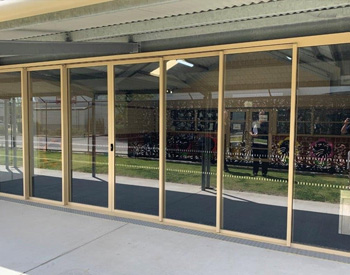
Today aluminium doors come with internal insulation that significantly improves their thermal performance. With external glazing, aluminium is thinner yet just as strong which means a greater area of the door’s surface is dedicated to the glazing itself, resulting in much better energy performance.
Visual Appeal
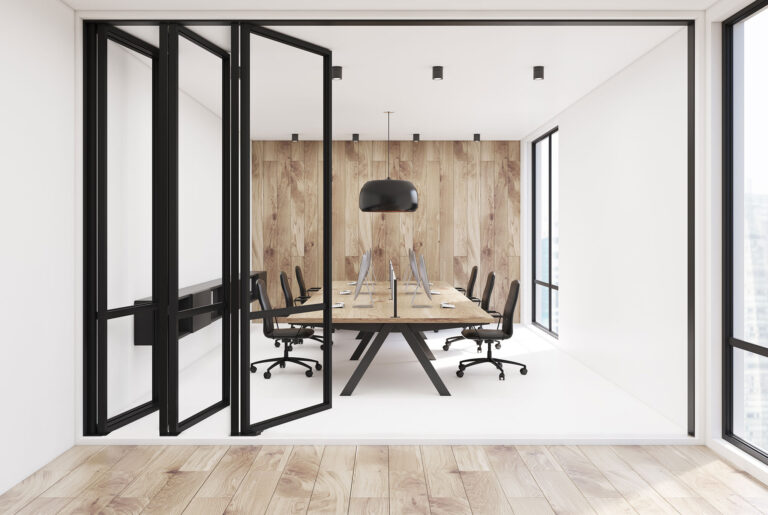
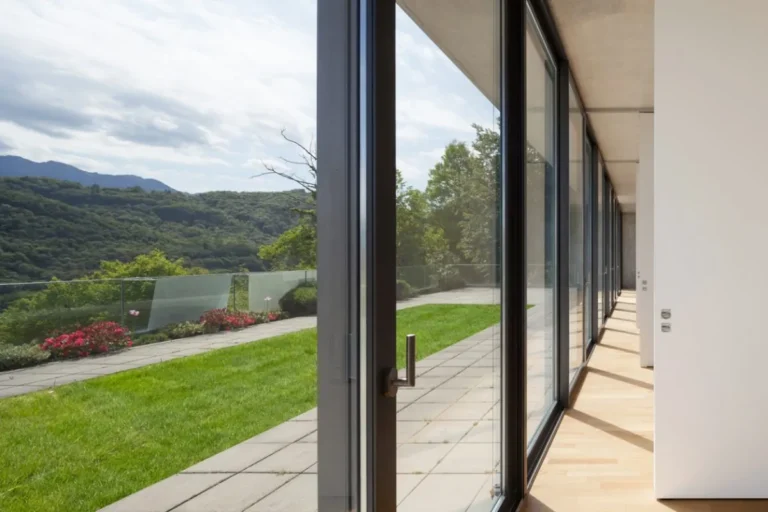
A byproduct of the slimline nature of an aluminium door with a glazed section is that more light transfers from one side of the door to another. This can make your interior feel brighter and airier.
But wood, that’s a good-looking substance, particularly when applied with a handsome stain. You’ll get a different aesthetic with different types of timber so make sure you see what’s on offer before deciding. Aluminium creates a modern, clean look that’s perfect for contemporary homes (although less so for Georgian cottages). As always you’ll want to consult the surrounding decor before making final decisions .
Cost
Generally a high quality door in aluminium will be less expensive than one made from wood. This is due to the inherent cost of the material. Cheap timber alternatives can be found but these tend to be just that, poor quality sort that are usually more trouble than they’re worth, especially if the door in question is its own line of defence. If a deal is too good to be true, of course it is; if in doubt, see the door you’re buying in person.
Strength and Longevity
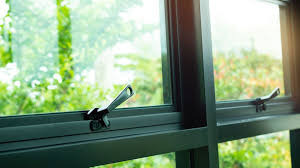
Aluminium is super strong, which is how metal that’s so thin can still hold its shape and frames like these ones made from it weigh next to nothing. A wooden door’s strength depends on the type of timber used. Fast growing softwoods, such as pine, break more easily than slow growing hardwoods (like solid oak). Another factor worth keeping in mind is that wood does have a tendency to warp as heat and moisture seep into the fibres, warping them.
In reality however, most exterior doors today consist of some type of composite construction that compensates for these weaknesses and provides a minimum standard of strength. In other words, a good manufacturer can easily build a sturdy door in either aluminium or timber.
Maintenance Requirements
When treating decking timbers can suffer from light knocks and scratches; to keep it looking positively excellent throughout its life, the top level of treatment will need refreshing. This entails sanding, cleaning and reapplying. This process will normally take a summer’s day (as the finish must then be allowed to dry) and perhaps all of one afternoon.
Aluminium doors on the other hand require no such fussy babying: they’re coated at factory level with a glistening, durable coat of powder paint. This reduces your choice in finish, but it does mean you won’t have to do maintenance beyond occasionally wiping the countertop down with a wet rag.
How Long They Last
Aluminium and timber doors aren’t fragile unless you choose shoddy ones. Both types of materials should remain unchanged for decades if properly maintained. So whichever you choose, it’s more probable that you’ll replace them for cosmetic reasons than out of necessity.
That said when you let a door go to pot then it will need replacing. Hinges require lubrication, as must the intricate track mechanisms that permit a bifold door to open and close. The seals around your door will need replacing on occasion so they can keep out draughts. The best way to deal with this kind of repair is proactively, it’ll take just a couple of minutes to root around in your shed for a can of DuraLube and make sure everything’s as it should be .
Security Considerations
Since external doors are a likely target for potential intruders there’s much we can do to enhance security. That being said, it’s the locks you’ve chosen that will be responsible for securing your door rather than the material. External doors will need to have a five lever mortice deadlock whether they’re constructed from wood or aluminium.
We need to separate out the different types of wooden door on the market. Hollow core doors are cheap but often won’t give you the security needed to have a fighting chance against a determined intruder. Conversely a composite door with a timber veneer will offer all of the strength and security associated with a metal door on the inside, but the handsome exterior of an oak door.
Here’s what most people miss: the real security advantage isn’t in the material choice at all. It’s in understanding that a door is only as secure as its weakest point. You could have the strongest timber or aluminium frame, but if you’ve got a cheap lock or worn seals a determined person will find their way through. Security grows from treating the entire door system, frame, locks, hinges and seals as one connected defence rather than focusing on whether you picked metal or wood.
Final Thoughts
We’ve examined some differences and similarities between the two materials. So what’s best in a door: wood or aluminium? The question will be: Where are you hanging the door and which you prefer. As long you select a good quality door, be it in aluminium or timber you’re bound to get results that will please! Check us out we are in Sydney and available or your Aluminium Doors.