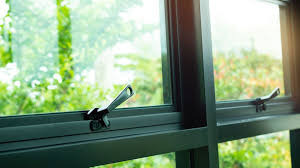
Why Aluminium Frames and Doors are Better
Introduction
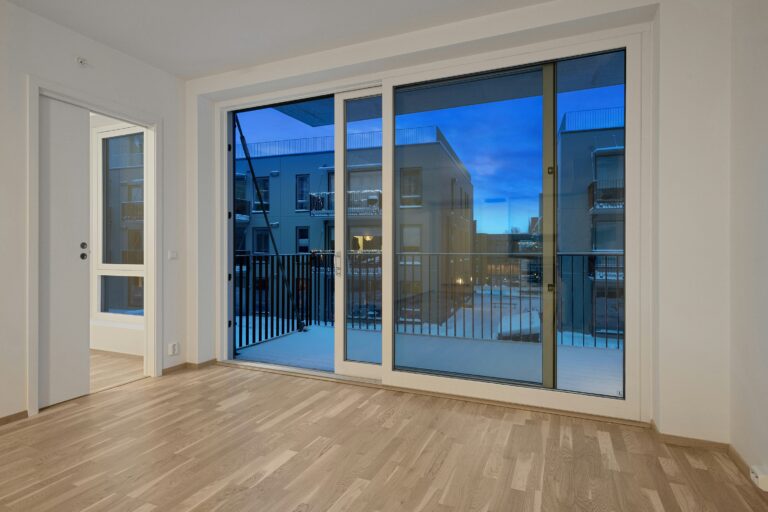
Aluminium frames and doors are known for their integration of strength, flexibility, and visual appeal, they are the perfect option for the modern construction industry. This introduction highlights and explains why aluminium is better serving as the core of modern design. Aluminium is light, strong and forgives what would be damage on lesser materials all without a lifetime of stressful maintenance. Its resistance to corrosive environments and its durability in such environments is testament of sustainability, more and more an important facet of construction today. Moreover, aluminium is versatile in design, which enables creative approaches in line with different architectural styles, and the promotion of both style and function. In reviewing the details and features, we provide a foundation for appreciating the inherent benefits, proving grounds for ultimate considerations of aluminium frames and doors’ many benefits in construction and design.
Up, Up and Away: Aluminium in the Modern Skyline
The prevalence of aluminium in contemporary construction is a testament to the unmatched benefits of this material compared with the alternatives. The lightweight of aluminium decreases the structural load and thus increases design flexibility of architecture and design. It is naturally corrosion resistant which results in a relatively low maintenance cost yet a long lasting and durable product. Moreover, in the sustainable construction sector, it still plays an essential part thanks to the fact that aluminium is 100% recyclable. Thus, aluminium not only pushes aesthetic boundaries, but also responds to the environmental and economic needs of the times, confirming its place in modern architecture.
Advantage of Aluminium of Frames and Doors
Aluminium frame and sash doors are superior to conventional materials because they offer extraordinary durability, are incredibly lightweight, and provide superior resistance to corrosion. These qualities greatly extend their life span, so that replacements and maintenance are cut down. Furthermore, aluminium has a high thermal conductivity factor that can protect the environment by reducing heat losses through monoxide emissions. Overall, its flexibility and looks solidify its status of being better suited for modern architectural applications.
Durability and Longevity
Aluminium frames and doors are also known for their long lasting performance, which makes them some of the best materials for use in residential and commercial builds. One of aluminium’s best features is its resistance to corrosion, which makes it one of the most durable metals around. Aluminium doesn’t rust like other materials, preserving the life and integrity of your umbrella even in adverse weather conditions. This feature greatly minimises maintenance requirements, and results in long run cost savings. In addition, aluminium’s strength to weight ratio enables large, tough structures without the weight, which helps maximise the work that can be done with doors and frames, while maintaining structural reliability.
Some may even point out the initial price can be more expensive upfront as opposed to other materials such as wood or PVC, but in the end, when a person start spending less on maintenance and replacement, those small set backs are well worth every single penny. Furthermore, with aluminium’s flexibility, contemporary and stylish products that don’t lose their design and appearance over time and are suitable for buildings to maintain their architectural character and good looks.
In response to energy efficiency concerns, advances in thermal break technology have lessened the insulation associated drawbacks of aluminium, and so long as one sticks with the high end metal options incapable of rusting or rotting, aluminium can be effectively utilised in energy conscious building. At the end of the day, the robustness and durability of aluminium make it a smart, all around kind of building solution that is keeping pace with the times and the shift towards environmentally friendly and cost effective investment choices.
With these benefits, anodised aluminium doors and frames offer durability and design flexibility in addition to a green look and feel for today’s modern structures.
Resistance to Corrosion and Weathering
Aluminium framing for doors is highly regarded for its corrosion resistance and weather ability, making it a preferred choice for commercial, residential and architectural applications. And unlike other surfaces that are prone to rust and degradation, aluminium naturally builds a protective oxide exterior layer that keeps it safe from moisture and other harmful atmospheric agents. This inherent strength and durability not only extends the life of aluminium installations, but also reduces maintenance needs, ultimately delivering low cost longevity. In addition, the durability of aluminium allows it to withstand differing climates, including moist, dry, and wet environments, without losing structural integrity or deteriorating aesthetically after years of use. This longevity not only demonstrates how aluminium is superior to other materials, but also affirms its fundamental role in making sustainable buildings.
Lifespan Compared to Other Materials
Aluminium units are long lasting which is more than you can say for wood and vinyl frames and doors. Aluminium is also fully resistant to the effects of moisture and won’t rot or warp over time like wood, which means that it has a much longer lifespan. Although vinyl does not decompose, It can become brittle and deteriorate after prolonged exposure to UV from sunlight. Its natural resistance to environmental exposure (Sun and moisture) will not fade or deteriorate, and the material need no maintenance and it’s virtually indestructible. Moreover, aluminium doesn’t need to be sealed, painted or stained like wood which extends its lifespan and makes it more cost effective in the long run. This longevity cuts down on the number of replacements, as well as any long term maintenance cost and time (based on the amount of money homeowners could earn from the U.S. Department of Energy). This is the durability of aluminium that accounts for its popularity in contemporary architectural design and construction.
Minimal Maintenance Requirements
Aluminium doors and frames are particularly beneficial in that they are virtually maintenance free. Unlike materials that rust or rot, will provide you performance that will last with minimal maintenance. Such longevity cuts way down on the frequent repair and replacement costs, making the system an affordable choice for homeowners and companies. Among its other benefits, aluminium does not corrode, is low maintenance and does not need to be cleaned or painted constantly, maximising time and cost effectiveness. By selecting aluminium, consumers are also buying into a material that perfectly fits the role for a modern sustainable living without sacrificing durability or ease of maintenance. This low level of upkeep amplifies the advantages of using of aluminium frames and doors, making them an ideal choice for modern applications.
Strength and Weight Advantage
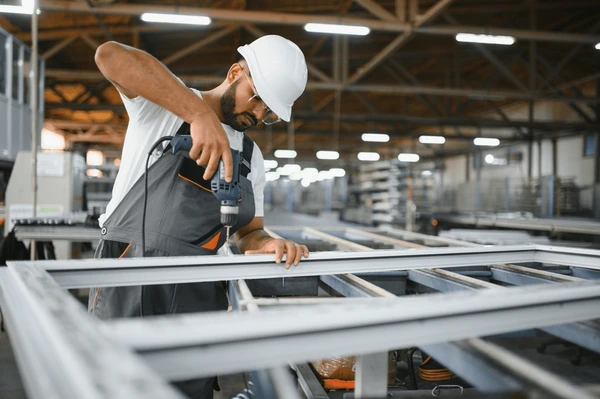
Aluminium frames and doors are having much greater strength and are lighter in weight than in steel frames, It is used in high rise buildings with greater advantage than steel. These aluminium frames are extremely durable and lightweight. This combination creates a product that is highly machinable and installable that saves on labour and reduces load on buildings. Despite being lightweight, unlike heavyweight materials like steel or wood, aluminium does not sacrifice strength, providing heavy duty protection against the wind and other forces of nature. Furthermore, the remarkable strength to weight ratio of aluminium enables it to be sustainably transported and installed, as fewer resources are needed in both aspects. Critics might argue that lighter materials are not as solid as heavier ones, but with engineering modifications to maximise load carrying capacity, this is a non issue when it comes to aluminium. Thus buildings can have extended spans and openness to a greater degree without the need for further supporting elements, which further increases aesthetic variation and artistic creativity. This paragraph sets the stage to understand that aluminium’s strength and light weight advantages are not just functional benefits or modern day conveniences which smoothly transition into environmental impact and energy efficiency.
High Strength to Weight Ratio
Aluminium framing and doors have been recognised for their superior strength to weight ratio, which is a considerable advantage in terms of performance and flexibility for architectural applications. While not as solid as heavy materials like steel and wood, aluminium is durable and provides an excellent source of support that allows for use in a variety of applications across a building. This feature not only allows for larger storey openings and varied architectural possibilities, but improves construction performance as a whole. Additionally, the natural strength of aluminium is incredibly strong, meaning the gate can withstand the weight of an adult leaning on it (up to 200 lbs) and is almost impervious to wear and tear from the environment. As a result, the perfect balance of lightness and strength in aluminium frames and doors is the best solution for today’s construction projects.
Structural Integrity and Stability
Aluminium frames and doors furniture are preferred for their inherent strength to weight ratio, structural integrity, and corrosion resistance. Aluminium is much stronger than wood or vinyl, making it much more tensile, which cuts down on the tensile load on the base structures. This provides long life and exceptional ware for high traffic areas. It is also resistant to warping and corrosion, so it’ll last you through tough weather and challenging climates, performing even in the harshest conditions.
Light Weight Resulting in Design Flexibility
Aluminium doors and frames are favoured for their design versatility, in large part because of their light weight. This ability to have a wide range of architectural options presents opportunities for innovative and complex structures that are aesthetically attractive, yet functional. The lightweight nature allows for easier installation while maintaining excellent water protection, the fact that it is light also means it will lowers structural loading makes it ideal both for today’s lightweight construction and for use in modern architectural design that requires low maintenance and long lasting materials.
The ductility of aluminium also adds to its flexibility, allowing it to be shaped and sized to custom fits for architectural applications while remaining structurally sound. This flexibility ensures that the designers are not restricted by conventional limitations and the form is satisfactorily integrated with the function. Aluminium doors and frames are, therefore, the ideal products for sophisticated architectural requirements where construction solutions are intended to be durable and flexible.
Aesthetic Appeal and Design Versatility
Aluminium framings and doors provide exceptional aestheticism and design flexibility and are perfectly suited for contemporary design.
Sleek and Modern Look
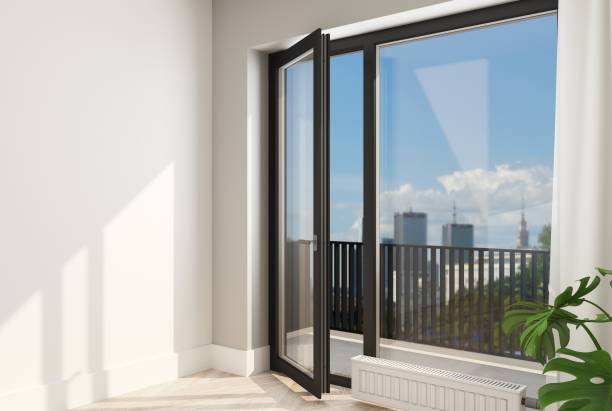
Aluminium door and window profiles are the perfect art and the biggest design feature that adorn your area. Its simplicity is not only aesthetic but structural, due to the strength of the material, Hermosilla explained. This slim line profile not only improves aesthetics, but also allows more natural light in, for a lighter, airier room. Aluminium frames The smooth continuous look of aluminium frames give a modern appearance which will suit any architectural style, from contemporary to industrial to minimalist.
And with its adaptability, aluminium can be customised with multiple finishes and colours, ensuring that it can be incorporated into any kind of interior and exterior design programs seamlessly. This flexibility is not only ideal for those who have their own design but can also serves as an ideal platform for individuality. The material also helps protect from corrosion and fading to keep the modern look for years to come with little maintenance. For this reason, the contemporary aesthetic and appeal by using aluminium frames and doors goes beyond aesthetics itself as they do not only look good, they are also tough and functional, reinforcing why they are indeed the best for modern design applications.
Variety of Finishes and Colours
Aluminium frame and doors: While timber is used primarily for windows and doors, aluminium excels in providing wide variety of finishes and colours to choose from which give us aesthetic scope. This flexibility allows them to be flexed for arched windows or extended for traditional windows, helping to contribute to their popularity in homes and commercial buildings. There is powder coating technology offering strong, fade resistant and lasting finishes that allow for decorating both the inside and out! As a result, they bring together aesthetic dreams and functions, greatly boosting design possibilities
Customisation Options for Design Integration
Aluminium frames and doors may be tailored in limitless ways to meet the design and create integration. Very flexible, they can be perfectly adapted to all architectural needs, and to guarantee a total visual uniformity. This flexibility continues in a variety of finishes and colours, allowing architects and designers to easily match them to desired interior themes. What’s more, it’s easy to incorporate a range of glass panel combinations into aluminium systems which, as designers, allows space for creative play. This versatility not only results in added functionality, but also provides a clean and modern appearance consistent with today’s architectural design. Last but not the least is that aluminium can be customised to inspire imaginative design and satisfy new functional needs, thus maintaining its leading position in the construction of today.
Sustainability and Environmental Benefits
Frames and doors made of aluminium also provide many advantages in terms of sustainability and environmental protection through recycling and energy saving. Aluminium recycling uses only 5% of the energy required by production, however, a significant part (up to 15% of the input material) is lost as dross (ash) in the recycling process. Aluminium’s light weight further reduces transport emissions which is also in line with sustainable construction. And aluminium frames improve energy performance with their superior insulation quality, reducing heating and cooling requirements. These are the benefits of aluminium that makes it the most suitable material for contemporary, green and sustainable architecture. Changing to aluminium also helps all those green campaigns and provides future savings in money and resources, just one more indication that aluminium is superior to other outdated materials.
Recyclability of Aluminium
Aluminium windows and doors also boast highly attractive recyclability which is desirable among ecologically mindful end users and practised in sustainable construction. Aluminium is the preferred choices for materials since it can be recycled endlessly without degradation, however, the recycling of the solid component of the TPS is not always practical. This property guarantees that aluminium doors and frames can be easily recycled at end of life and manufacture of new products can be consumable energy saving. Aluminium can be broken down and reformed as new with no loss of quality, which saves on raw materials and energy used during the mining process.
In addition, recycling aluminium uses only 5% of the energy required to make the metal from ore. This stunning efficiency isn’t just a nice story about recycling being good for the environmental and making good fiscal sense, it’s also about knocking down greenhouse gas emissions. Moreover, the robust market for recycled aluminium offers an economic benefit, making it economically viable to both manufacturers and end users. The longevity of aluminium also compliments recycling, as it increases the lifespan of the frame and door while preventing premature early replacement, and maximising the sustainability benefits. As a result, the material’s uniqueness and ability of being able to be recycled when it comes to aluminium frames and doors is not just a fringe benefit, but it is a fundamental characteristic that makes it ahead of other options in contemporary building and architectural uses, and that is the object of the main argument in its favour: that it is better than other material alternatives.
Energy Efficiency and Insulation Properties
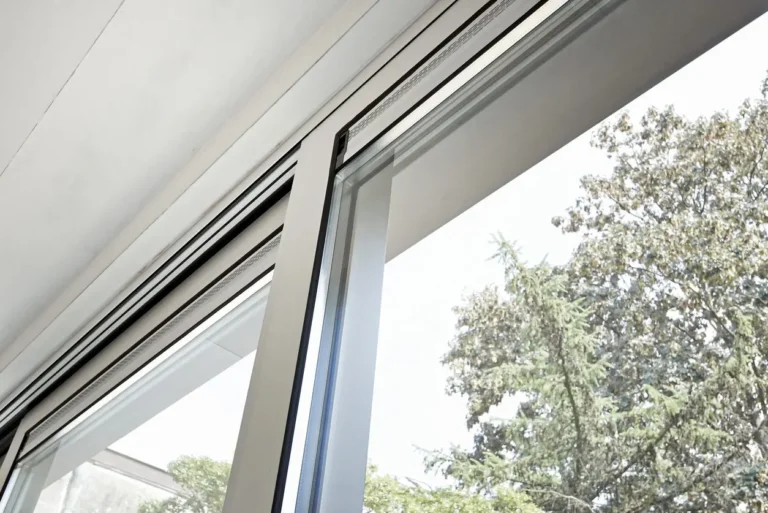
Here are the following advantages of an aluminium frame or door: Energy and thermal efficient Aluminium is energy efficient and has superior thermal insulation properties when compared to other materials. Their natural ability to handle thermal breaks helps to ensure minimal heat loss, which improves insulation as a whole. Because thermal conductivity is reduced, less reliance is placed upon artificial heating or cooling systems to stabilise internal temperatures of the buildings, which is a factor that leads to lower energy usage. In addition, aluminium is weather resistant and does not expand or contract with varying temperatures, preserving the integrity of the building. The longevity of these materials which enhances energy efficiency, and life of the installations further emphasises aluminium as the most sustainable choice for the environment.
Reduced Carbon Footprint
Aluminium framing and doorways help minimise product waste which in turn reduce the environmental impact of constructions. Lightweight by nature (reducing transport emissions) and long lasting (so replacements are less frequent) they are all about saving. What’s more, Aluminium is endlessly recyclable without losing any of its characteristics through recycling, which saves energy compared with the production of primary aluminium. The combination of these four aspects shows the environmental advantage of aluminium to be significant.
Cost Effectiveness
Aluminium windows and doors represent significant cost effectiveness over conventional options. Their life expectancy years of use and years of low maintenance costs are much less than with steel because aluminium does not rust or weather. This duration of existence also means less replacement and repair, which gives aluminium cost effective value. In addition, aluminium is light weight and thereby saves the cost of transportation and installation. While the upfront cost for aluminium might seem similar to other materials, its superior lifespan and low maintenance make aluminium a cost effective option. In addition to its recyclability, aluminium offers another competitive advantage by its economic efficiency and stewardship to the environment, making it an ideal choice for value driven consumers. In times discussing fiscal sobriety and environmental consciousness, Aluminium has made a strong case to be used everywhere. Such a combination of economic and environmental advantages are placing aluminium as a material of choice that easily reconciles budget with green concerns. This emphasises the importance of knowing the financial benefits of aluminium in order to make a well informed decision for residential or commercial use. Moving to more specialised sub sectors including environmental sustainability and structural properties, aluminium’s multiple properties underline its competitive position in the building materials industry.
Long Term Value and ROI
Aluminium frames and doors have a significant long term value and ROI based on their durability, low maintenance, and energy efficiency. When it comes to building materials, stakeholders pay attention to things that save them money, both now and in the future. Aluminium is a metal resistant to corrosion and environmental wear, and its merits will justify the up front cost.
The aluminium has a high level of intrinsic strength and combined with its natural resistance to corrosion and the elements, aluminium is extremely strong and long lasting. While other framing and door materials deteriorate over time and lose structural integrity, aluminium is not a material that will deteriorate. This durability also means lower replacement costs for the life of the building. Other material options like wood and steel may need to be repaired or treated to keep up appearances, but maintenance for aluminium does not exceed occasional washing and waxing, reducing associated costs. The consequences are a significant amortisation of initial costs which, in turn, increases the competitive value of the material.
What’s more, the fact that aluminium is low maintenance is a factor that contributes to its ROI. Aluminium doors and frames for buildings are characterised by requiring less frequent repairs and therefore including less downtime (a requirement for optimal daily executive activity) (specially for commercial or industrial settings). Labour expenses are also mitigated because maintenance requirements are relatively minimal. And with aluminium frames and doors looking good for longer, those re coat or renewal costs that are commonly associated with other materials become a distant memory.
Aluminium’s energy efficiency is also a powerful reason for investing in this material as it adds to its long term value. Because of its thermal insulation properties and the resulting savings on heating and cooling costs to a building. With a few of the advanced aluminium frame designs, they even come with thermal breaks and complex weather sealing, which pushes their efficiency up even higher. These energy efficiencies add up, of course, until you start to see significant savings on your utility bills. Basically, year after year, the excellent energy efficiency aluminium installations contribute, equals money saved, therefore significantly increasing R